Posted
June 10, 2026
Written by
Yana Ermilova
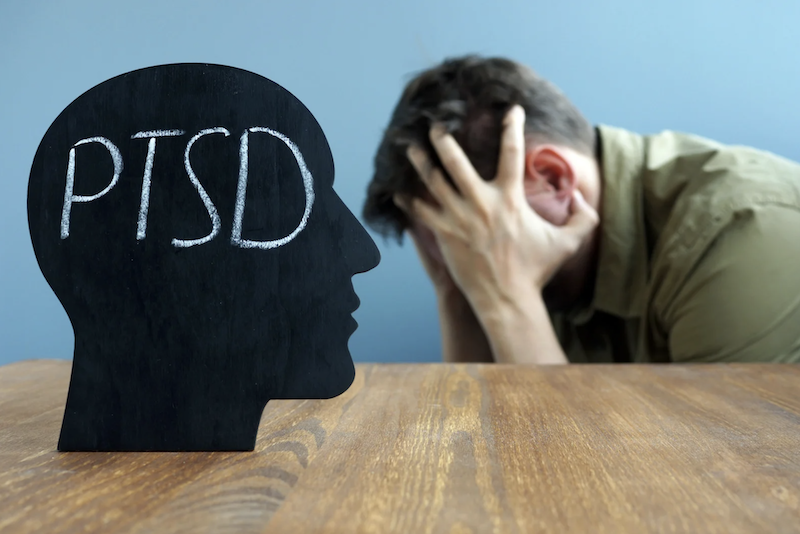


Traumatic experiences can leave lasting emotional and physical effects long after the event has passed. While many people recover naturally over time, others continue to struggle with symptoms that interfere with daily life, relationships, work, and overall well-being. When these symptoms persist, it may be a sign of Post-Traumatic Stress Disorder (PTSD).
At The Halliday Center, our therapists specialize in trauma-informed care and understand the lasting impact trauma can have on your life. We have helped many individuals from diverse backgrounds move beyond survival mode, find healing, and build more fulfilling, connected lives.
Post-Traumatic Stress Disorder (PTSD) is a mental health condition that can develop after experiencing or witnessing a traumatic event or a series of traumatic events. Trauma can include experiences that feel emotionally overwhelming, physically harmful, or life-threatening.
Examples of trauma may include physical, emotional, or sexual abuse, serious accidents, natural disasters, medical emergencies, intimate partner violence, military combat, the sudden loss of a loved one, or other distressing experiences.
It is important to note that not everyone who experiences trauma develops PTSD. In the days and weeks following a traumatic event, it is common to experience symptoms such as anxiety, fear, difficulty sleeping, or intrusive memories. For PTSD to be diagnosed, symptoms must persist for more than a month and significantly impact daily life, relationships, work, or overall well-being.
PTSD symptoms often begin within the first few months after a traumatic event, but they can also emerge much later. Without support, symptoms may last for months or even years. PTSD can also occur alongside other mental health concerns, including depression, anxiety, substance use issues, memory difficulties, and other emotional or physical health challenges.
PTSD symptoms typically fall into four categories. You may experience some or all of these, and they can range from mild to completely debilitating.
These are unwanted thoughts or memories that force their way into your mind:
When the mind tries to protect itself from pain, avoidance often follows:
PTSD can alter your core beliefs and emotional experience:
Your nervous system may stay stuck in survival mode:
If several of these PTSD symptoms have been affecting your life for more than a month following a traumatic event, it’s time to talk to a professional.
This is one of the most common questions people ask, and the honest answer is: without proper treatment, PTSD can last for years, even decades. Some people experience symptoms their entire lives if they don’t receive effective trauma therapy.
But here’s the important thing: PTSD is highly treatable. Research consistently shows that evidence-based PTSD treatment leads to significant improvement and, for many people, full recovery, regardless of how long they’ve been struggling.
The sooner you seek help, the sooner healing can begin. But it’s never too late.
While anyone can develop PTSD after trauma, certain experiences carry a higher risk:
It’s also worth noting that secondary trauma, sometimes called vicarious traumatization, can affect people who regularly support others through trauma, such as caregivers, counselors, and healthcare workers.
Not all therapy is created equal when it comes to PTSD. At Halliday Center, we use approaches that are backed by decades of clinical research, such as:
CPT is one of the most well-studied treatments for PTSD. It helps you identify and challenge unhelpful beliefs that developed as a result of trauma — like self-blame, distorted views of safety, or loss of trust in others. By gently examining and reframing these thoughts, CPT helps your mind process the trauma rather than staying stuck in it.
EMDR is a widely used PTSD treatment that uses bilateral stimulation (often eye movements) while you briefly focus on a traumatic memory. It’s particularly effective for people who find it difficult to talk directly about their trauma. EMDR has strong support from the American Psychological Association and the Department of Veterans Affairs.
This approach is especially effective for children and adolescents, as well as adults dealing with the long-term effects of childhood trauma. It addresses the emotional, behavioral, and cognitive impacts of trauma in a structured, compassionate format.
In some cases, medication, particularly SSRIs and SNRIs, can help manage PTSD symptoms while therapy does its deeper work. Our clinicians collaborate closely with prescribing providers to ensure you receive a truly integrated treatment plan.
PTSD rarely travels alone. Many people dealing with post-traumatic stress also experience:
At Halliday Center, we assess the full picture of what you’re experiencing. Our therapists are trained to treat co-occurring conditions alongside PTSD, because true healing means addressing all of it.
We know that reaching out for the first time can feel intimidating. Here’s what the process looks like:
Your first session is a conversation. We listen, ask questions, and take time to understand your history, your current challenges, and what you hope to gain from therapy.
You don’t have to worry about protecting us from your story. As therapists, we hear experiences that can be deeply painful and, at times, shocking. We are also trained to navigate those moments with skill, compassion, and professionalism. Our role is to create a safe space where you can share your experiences without feeling responsible for our reactions. We are here to hold your story with care, support you through it, and help you begin the healing process.
No two people experience trauma the same way, so no two treatment plans should be identical. Based on your assessment, your therapist will recommend a personalized approach — the specific therapy modalities, session frequency, and any additional support that makes sense for you.
This is where the real work and the real change happen. Expect honest conversations, practical tools you can use outside of sessions, and a therapeutic relationship built on trust and transparency.
Healing isn’t linear. We check in regularly on how you’re progressing, adjust the approach when needed, and celebrate your wins.
Choosing a therapist is one of the most personal decisions you can make. Here’s what sets us apart:
PTSD can make every day feel like you’re fighting a war inside your own mind. The exhaustion, the hypervigilance, the shame, the isolation- we understand how heavy it all is.
But recovery is real. Thousands of people with PTSD have gone on to live full, connected, peaceful lives, not by forgetting what happened, but by learning to carry it differently.
Take the first step today. Contact Halliday Center to schedule your confidential consultation.

Sign up with your email address:
Share this article




Get In Touch
Begin Your Journey
Get In Touch
Begin Your Journey
 All articles